
Insurance is supposed to provide financial protection during difficult times. People buy life insurance to secure their families, health insurance to handle medical emergencies, and vehicle insurance to stay legally and financially protected. But while the insurance industry has grown rapidly in recent years, insurance fraud has also increased alongside it.
One of the most dangerous forms of fraud is the sale of fake insurance policies.
Many people only discover the fraud when they try to make a claim. By then, the policy may turn out to be invalid, inactive, forged, or completely nonexistent in the insurer’s records. Families lose money, claims get rejected, and victims are left without protection during emergencies.
Fraudsters often target:
- Senior citizens
- First-time buyers
- Rural customers
- People looking for cheap premiums
- Customers unfamiliar with digital verification
Understanding how fake insurance scams work is now extremely important for every policyholder.
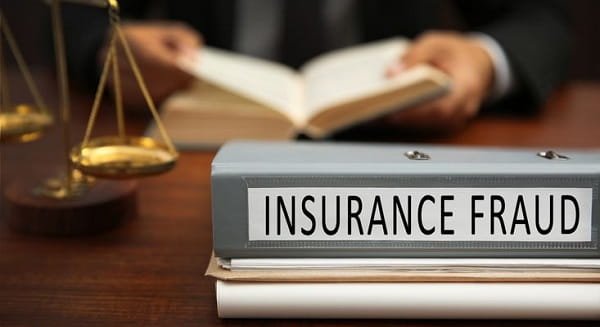
What Is a Fake Insurance Policy?
A fake insurance policy is a forged, unauthorized, or fraudulent insurance document sold to customers while pretending to offer genuine coverage.
Fraud may involve:
- Completely fake policies
- Expired or inactive policies
- Forged documents
- Unauthorized agents
- Fake premium collection
- Duplicate policies
In many cases, victims believe they are fully insured until a claim is filed.
Common Types of Insurance Fraud
Fake Insurance Agents
Scammers pretend to represent genuine insurance companies.
They may use:
- Fake ID cards
- Fraudulent websites
- Fake visiting cards
- WhatsApp messages
- Social media advertisements
Cheap Premium Scams
Fraudsters attract customers by offering unrealistically low premiums.
If the deal looks too good to be true, it often is.
Fake Renewal Notices
Customers receive fake policy renewal reminders asking for payment through personal bank accounts or suspicious links.
Forged Policy Documents
Some scammers generate fake PDFs and receipts that look surprisingly professional.
Policy Conversion Fraud
Victims are falsely told their old policy needs to be “upgraded” or “converted,” leading to unauthorized payments.
Warning Signs of a Fake Insurance Policy
Extremely Low Premiums
Fraudsters often attract victims using unusually cheap prices.
If one policy appears dramatically cheaper than all others, caution is necessary.
Pressure to Pay Immediately
Scammers frequently create urgency by saying:
- “Offer expires today”
- “Policy will be cancelled”
- “Immediate payment required”
Genuine insurers rarely force instant decisions.
Personal Bank Account Payments
Premiums should usually be paid directly to the insurance company through official channels.
Avoid transferring money to:
- Personal UPI IDs
- Individual bank accounts
- Unknown wallets
Missing Policy Verification
Every genuine insurance policy should be verifiable through:
- Official insurer website
- Customer care
- IRDAI records
- Policy number validation
If verification fails, it is a serious warning sign.
Unofficial Communication Channels
Be cautious if communication happens only through:
- Personal WhatsApp numbers
- Gmail addresses
- Unverified links
Official insurers usually communicate through registered domains and customer support systems.
Spelling Errors and Poor Documentation
Many fake policies contain:
- Grammar mistakes
- Incorrect logos
- Formatting issues
- Wrong contact details
Carefully reviewing documents can reveal fraud.
How to Verify if an Insurance Policy Is Genuine
Check Directly With the Insurance Company
Contact official customer care using details from the insurer’s official website.
Verify:
- Policy number
- Premium status
- Coverage details
- Agent identity
Use Official Websites
Most insurers allow online policy verification through customer portals.
Verify Agent License
Insurance agents in India are regulated through the Insurance Regulatory and Development Authority of India (IRDAI).
Customers can ask for:
- Agent license number
- Official authorization details
Cross-Check Premium Receipts
Ensure receipts contain:
- Insurer name
- GST details
- Official transaction references
Role of IRDAI in Preventing Fraud
Insurance Regulatory and Development Authority of India oversees insurance regulation in India.
IRDAI works to:
- Regulate insurers
- Monitor agents
- Reduce fraud
- Protect policyholders
- Improve transparency
Consumers can also report suspicious insurance activity to IRDAI.
How to Report a Fake Insurance Policy
Contact the Insurance Company Immediately
If fraud is suspected:
- Inform the insurer
- Share documents
- Request policy verification
Early reporting improves chances of action.
File a Police Complaint
Insurance fraud is a criminal offense.
Victims should file:
- FIR
- Cybercrime complaint
- Fraud report
especially in cases involving money transfer or forged documents.
Report to IRDAI
Complaints can be submitted through:
- IRDAI grievance system
- Official helplines
- Online complaint portals
Inform the Bank
If payment was made digitally:
- Inform the bank quickly
- Request transaction investigation
- Block suspicious transfers if possible
Preserve All Evidence
Keep:
- Payment receipts
- Emails
- WhatsApp chats
- Call recordings
- Policy copies
These may help during investigations.
Why Senior Citizens Are Often Targeted
Fraudsters commonly target elderly individuals because:
- They may trust phone calls easily
- They often prefer offline transactions
- They may not verify online records regularly
Family awareness and financial guidance become important in such situations.
Fake Online Insurance Websites
Digital fraud has increased rapidly.
Some fake websites copy:
- Company logos
- Colors
- Brand names
- Website design
These sites may collect:
- Premium payments
- PAN details
- Aadhaar information
- Banking information
Always check:
- HTTPS security
- Official domain spelling
- Verified customer care numbers
before entering sensitive information.
Importance of Buying From Trusted Sources
Insurance should ideally be purchased through:
- Official insurer websites
- Registered agents
- Licensed brokers
- Trusted banking partners
Avoid random social media advertisements offering unrealistic insurance deals.
How Digital Awareness Can Reduce Fraud
Simple habits can prevent many scams:
- Verify before paying
- Avoid clicking unknown links
- Double-check policy details
- Use official apps only
- Keep transaction records safely
Financial awareness is becoming just as important as financial planning itself.
Final Thoughts
Insurance fraud does not only cause financial loss. It destroys trust during moments when families need support the most.
A fake insurance policy may remain unnoticed for years until an emergency exposes the truth. By then, the emotional and financial damage can be severe.
The best protection against fraud is caution, verification, and awareness.
Insurance is meant to provide peace of mind.
That peace should begin from the moment the policy is purchased — not only when a claim is filed.
FAQs
Q: How can I know if my insurance policy is genuine?
A: You can verify the policy directly through the insurer’s official website or customer care service.
Q: What is the biggest warning sign of insurance fraud?
A: Unusually cheap premiums and requests for payment into personal accounts are major warning signs.
Q: Can fake insurance policies look real?
A: Yes, many fraudulent documents closely resemble genuine policies.
Q: Should I pay premiums to an agent’s personal account?
A: Generally no. Payments should ideally go directly to the insurer through official channels.
Q: Can fake agents use real company names?
A: Yes, scammers often misuse names and logos of genuine insurers.
Q: Where can insurance fraud be reported in India?
A: Fraud can be reported to the insurer, local police, cybercrime authorities, and IRDAI.
Q: What should I do if I already paid a fraudster?
A: Immediately contact your bank, file a complaint, preserve evidence, and inform the insurance company and authorities.








Leave a Reply