
The E-Commerce business model refers to the buying and selling of products or services through digital platforms over the internet. It enables businesses, consumers, and organizations to conduct transactions electronically using websites, mobile applications, online marketplaces, and digital payment systems. Over the past two decades, e-commerce has become one of the most widely adopted business models across the world, transforming how products are marketed, sold, and delivered.
The growth of internet accessibility, smartphones, digital payments, logistics networks, and online marketplaces has contributed significantly to the expansion of e-commerce. Businesses of various sizes use e-commerce platforms to reach customers beyond geographical boundaries and offer products and services through digital channels.
E-commerce can support multiple transaction types, including Business-to-Consumer (B2C), Business-to-Business (B2B), Consumer-to-Consumer (C2C), and Direct-to-Consumer (D2C) models.
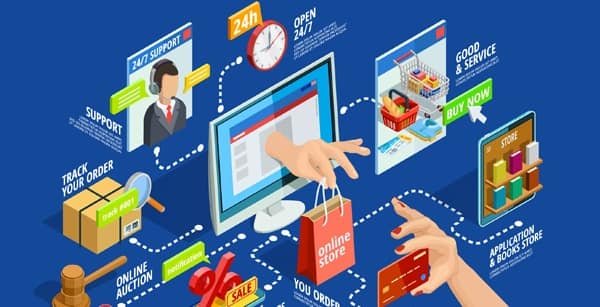
E-Commerce Business Model: Advantages vs Disadvantages
| Advantages | Disadvantages |
| Global market reach | High competition |
| 24/7 business operations | Security and cyber risks |
| Lower physical infrastructure requirements | Logistics and delivery challenges |
| Convenient customer access | Product return management |
| Scalable business operations | Dependence on technology |
| Multiple sales channels | Limited physical product inspection |
| Data-driven decision making | Customer acquisition costs |
| Automated business processes | Platform and system outages |
| Flexible business models | Regulatory compliance requirements |
| Digital marketing opportunities | Customer trust challenges |
What is an E-Commerce Business Model?
An e-commerce business model involves conducting commercial transactions through online platforms. Businesses use digital channels to display products, process orders, accept payments, and coordinate deliveries.
The model eliminates many of the limitations associated with traditional brick-and-mortar businesses by allowing customers to browse and purchase products from virtually any location with internet access.
Examples of e-commerce activities include:
- Online retail sales
- Digital product distribution
- Subscription services
- Marketplace transactions
- Online bookings
- Software sales
- Wholesale transactions
Key Characteristics of an E-Commerce Business Model
Online Transactions
Purchases and payments occur through digital platforms.
Digital Storefronts
Businesses display products and services through websites or applications.
Electronic Payment Systems
Customers use online payment methods to complete transactions.
Remote Customer Access
Customers can browse and purchase products from different locations.
Technology-Driven Operations
E-commerce businesses rely on software, platforms, and digital tools for daily operations.
How the E-Commerce Business Model Works
The e-commerce process follows a structured workflow.
1. Product Listing
Businesses upload product information, including:
- Product descriptions
- Images
- Pricing
- Specifications
- Availability
2. Customer Browsing
Customers search for products through websites, applications, or online marketplaces.
3. Order Placement
Customers select products and complete purchases through online checkout systems.
4. Payment Processing
Transactions are completed through:
- Credit cards
- Debit cards
- Digital wallets
- Online banking
- Buy-now-pay-later services
5. Order Fulfillment
The business processes and prepares orders for shipment.
6. Delivery
Products are delivered through logistics and transportation networks.
Types of E-Commerce Business Models
B2C (Business-to-Consumer)
Businesses sell directly to individual consumers.
B2B (Business-to-Business)
Businesses sell products or services to other organizations.
C2C (Consumer-to-Consumer)
Consumers transact directly with other consumers through online platforms.
C2B (Consumer-to-Business)
Individuals provide products or services to businesses.
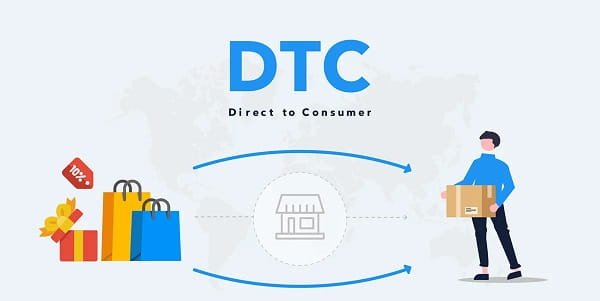
D2C (Direct-to-Consumer)
Manufacturers or brands sell directly to consumers without intermediaries.
Advantages of the E-Commerce Business Model
1. Global Market Reach
E-commerce platforms allow businesses to serve customers across multiple regions and countries.
This expanded reach can support:
- International sales
- Market expansion
- Customer diversification
2. 24/7 Availability
Online stores can remain accessible throughout the day without traditional operating hour limitations.
Customers can:
- Browse products
- Place orders
- Make payments
At any time.
3. Lower Physical Infrastructure Requirements
Many e-commerce businesses operate without large retail store networks.
This may reduce costs related to:
- Retail space
- Utilities
- Physical storefront maintenance
4. Customer Convenience
Customers can shop from:
- Homes
- Offices
- Mobile devices
- Remote locations
Without visiting physical stores.
5. Scalability
Digital platforms allow businesses to expand product offerings and customer reach without proportional increases in physical locations.
6. Multiple Sales Channels
Businesses may sell through:
- Company websites
- Mobile applications
- Online marketplaces
- Social commerce platforms
7. Data Collection and Analytics
Digital transactions generate information about:
- Customer behavior
- Product demand
- Purchasing trends
- Marketing performance
8. Automated Processes
Technology can automate activities such as:
- Inventory updates
- Order processing
- Customer notifications
- Payment confirmations
9. Digital Marketing Opportunities
E-commerce businesses can promote products through:
- Search engines
- Social media
- Email marketing
- Content marketing
- Affiliate marketing
10. Flexible Business Structures
E-commerce supports various operational models including:
- Dropshipping
- Marketplace selling
- Subscription services
- Direct sales
Disadvantages of the E-Commerce Business Model
1. High Competition
Online markets often contain numerous competitors offering similar products and services.
Competition may involve:
- Pricing
- Product selection
- Delivery speed
- Marketing visibility
2. Security and Cyber Risks
E-commerce businesses handle customer and payment information.
Potential concerns include:
- Data breaches
- Fraud attempts
- Cyberattacks
- Unauthorized access
3. Logistics Challenges
Order fulfillment depends on transportation and delivery systems.
Challenges may include:
- Delivery delays
- Shipping costs
- Inventory shortages
4. Product Return Management
Online purchases often generate returns and exchanges.
Managing returns may require:
- Reverse logistics
- Refund processing
- Product inspections
5. Dependence on Technology
Business operations rely heavily on:
- Websites
- Mobile applications
- Payment gateways
- Cloud infrastructure
Technical failures may disrupt operations.
6. Limited Product Inspection
Customers generally cannot physically examine products before purchasing.
This may influence:
- Purchasing decisions
- Return rates
- Customer satisfaction
7. Customer Acquisition Costs
Businesses often invest in:
- Advertising
- Search engine optimization
- Social media campaigns
- Influencer partnerships
To attract customers.
8. Platform and System Outages
Technical issues may affect:
- Website availability
- Payment processing
- Order management systems
9. Regulatory Compliance Requirements
E-commerce businesses may need to comply with regulations related to:
- Data protection
- Consumer rights
- Taxation
- Payment security
10. Customer Trust Challenges
Customers often evaluate:
- Product authenticity
- Payment security
- Delivery reliability
- Seller credibility
Before making purchases.
Revenue Sources in E-Commerce
E-commerce businesses may generate revenue through multiple channels.
Product Sales
Revenue from physical or digital product transactions.
Subscription Services
Recurring payments for products or services.
Advertising Revenue
Income from promotional placements and sponsored content.
Marketplace Commissions
Fees charged to third-party sellers.
Affiliate Partnerships
Revenue generated through referral-based sales.
E-Commerce vs Traditional Retail Model
| Feature | E-Commerce Model | Traditional Retail Model |
| Sales Channel | Online platforms | Physical stores |
| Customer Reach | Global | Primarily local or regional |
| Operating Hours | 24/7 availability | Fixed business hours |
| Product Inspection | Digital viewing | Physical examination |
| Infrastructure Requirements | Digital systems | Physical locations |
| Customer Interaction | Online communication | Face-to-face interaction |
| Inventory Management | Centralized or distributed | Store-based inventory |
| Marketing Channels | Digital marketing | Traditional and local marketing |
| Transaction Method | Electronic payments | Cash and digital payments |
| Scalability | Technology-driven | Location-dependent |
Industries Commonly Using E-Commerce Models
Retail
- Fashion
- Electronics
- Home goods
- Grocery products
Technology
- Software
- Cloud services
- Digital products
Education
- Online courses
- Training platforms
- Digital learning materials
Healthcare
- Health products
- Telemedicine services
- Wellness platforms
Entertainment
- Streaming services
- Gaming products
- Digital content
Conclusion
The e-commerce business model enables businesses and consumers to conduct transactions through digital platforms and online channels. Commonly discussed advantages include global accessibility, continuous operations, scalability, customer convenience, and digital marketing capabilities. Frequently cited disadvantages include cybersecurity risks, logistics challenges, competition, customer acquisition costs, and dependence on technology infrastructure. The model continues to support a wide range of industries through internet-based sales, services, and digital transactions.
FAQs
Q: What is an e-commerce business model?
A: An e-commerce business model involves buying and selling products or services through digital platforms using the internet.
Q: What are the major types of e-commerce models?
A: Common types include B2C, B2B, C2C, C2B, and D2C models.
Q: What are the major advantages of e-commerce?
A: Frequently discussed advantages include global reach, 24/7 availability, scalability, customer convenience, and digital marketing opportunities.
Q: What are the major disadvantages of e-commerce?
A: Commonly cited disadvantages include competition, cybersecurity risks, logistics challenges, return management, and technology dependence.
Q: How do e-commerce businesses generate revenue?
A: Revenue may come from product sales, subscriptions, advertising, commissions, and affiliate partnerships.
Q: Why is logistics important in e-commerce?
A: Logistics supports inventory management, order fulfillment, shipping, and product delivery.
Q: What technologies support e-commerce operations?
A: Common technologies include websites, mobile applications, payment gateways, inventory management systems, analytics tools, and customer relationship management platforms.
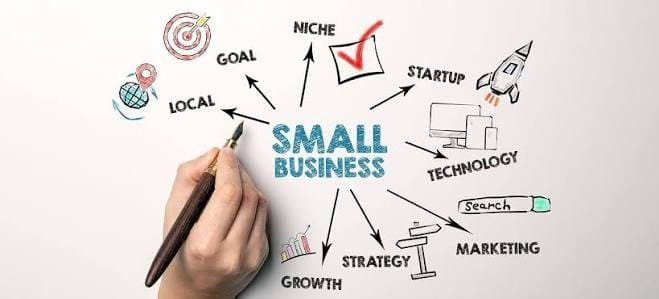
Q: Can small businesses use e-commerce models?
A: Yes. Small businesses can sell products and services through websites, marketplaces, and social commerce platforms.
Q: What is the difference between e-commerce and traditional retail?
A: E-commerce operates through digital channels, while traditional retail relies primarily on physical stores and face-to-face transactions.
Q: Which industries commonly use e-commerce?
A: Retail, technology, healthcare, education, entertainment, and professional services frequently use e-commerce business models.









Leave a Reply