
The leasing business model is a commercial arrangement in which one party, known as the lessor, grants another party, known as the lessee, the right to use an asset for a specified period in exchange for regular payments. Instead of purchasing an asset outright, the lessee gains access to the asset through a lease agreement while ownership typically remains with the lessor.
The leasing model is widely used across industries such as real estate, transportation, construction, manufacturing, healthcare, information technology, and consumer goods. Businesses and individuals use leasing arrangements to access equipment, vehicles, machinery, office spaces, technology infrastructure, and other assets without making large upfront investments.
As organizations increasingly seek flexibility and capital efficiency, leasing has become a commonly used alternative to direct ownership. The model supports access to assets while distributing costs over time through periodic payments.
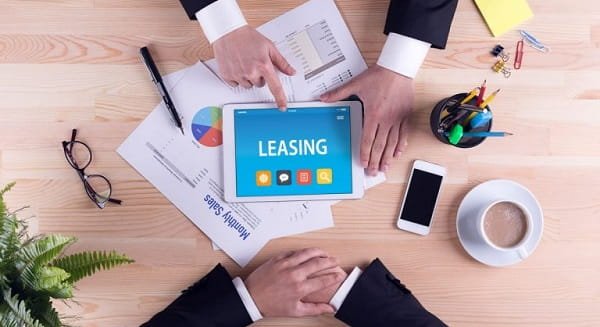
Leasing Business Model: Advantages vs Disadvantages
| Advantages | Disadvantages |
| Lower upfront investment | No ownership at lease end in many cases |
| Predictable payment structure | Long-term costs may exceed purchase costs |
| Access to modern assets | Contractual restrictions |
| Improved cash flow management | Early termination penalties |
| Flexible asset usage | Ongoing payment obligations |
| Reduced asset obsolescence risk | Limited customization rights |
| Easier asset upgrades | Usage restrictions |
| Potential maintenance support | Dependence on lessor terms |
| Business scalability support | Asset return requirements |
| Preserves working capital | Compliance and administrative requirements |
What is a Leasing Business Model?
A leasing business model allows customers to use assets for a predetermined period without purchasing them. The asset owner retains legal ownership, while the lessee pays periodic fees for access and usage rights.
Common leased assets include:
- Commercial properties
- Office spaces
- Vehicles
- Manufacturing equipment
- Medical devices
- Information technology infrastructure
- Construction machinery
- Consumer electronics
The lease agreement defines payment schedules, usage conditions, maintenance responsibilities, and contract duration.
Key Characteristics of a Leasing Business Model
1. Asset Ownership Remains with the Lessor
The lessor retains ownership throughout the lease term unless the agreement includes a purchase option.
2. Recurring Payments
The lessee makes regular payments based on contractual terms.
3. Fixed Lease Period
Leases generally operate for a specified duration.
4. Asset Usage Rights
The lessee gains the right to use the asset while complying with agreement conditions.
5. Contract-Based Relationship
Leasing arrangements are governed by legally binding agreements.
How the Leasing Business Model Works
The leasing model follows a structured process.
1. Asset Acquisition
The lessor acquires or owns the asset intended for leasing.
2. Lease Agreement
The lessor and lessee establish terms covering:
- Lease duration
- Payment schedule
- Usage rights
- Maintenance obligations
- Return conditions
3. Asset Delivery
The asset is provided to the lessee for operational use.
4. Periodic Payments
The lessee makes regular payments according to the agreement.
5. Lease Completion
At the end of the lease period, the asset may:
- Be returned
- Be renewed under a new agreement
- Be purchased if a purchase option exists
Types of Leasing Business Models
1. Operating Lease
The lessor retains ownership, and the asset is returned at the end of the lease term.
2. Finance Lease
The lease often covers a substantial portion of the asset’s useful life and may include ownership transfer options.
3. Equipment Leasing
Businesses lease machinery, tools, and industrial equipment.
4. Vehicle Leasing
Customers lease cars, trucks, and commercial vehicles.
5. Real Estate Leasing
Property owners lease residential, commercial, or industrial spaces.
6. Technology Leasing
Organizations lease computers, servers, software infrastructure, and networking equipment.
Advantages of the Leasing Business Model
1. Lower Upfront Investment
Leasing reduces the need for large initial capital expenditures.
This may allow organizations to access assets without purchasing them outright.
2. Predictable Payment Structure
Lease agreements generally establish fixed payment schedules.
This can support:
- Budget planning
- Financial management
- Expense forecasting
3. Access to Modern Assets
Businesses can use current equipment and technology without full ownership costs.
Examples include:
- Advanced machinery
- Updated vehicles
- Modern IT systems
4. Improved Cash Flow Management
Spreading costs over time may help preserve available cash resources.
5. Flexible Asset Usage
Organizations can access assets according to operational needs and lease durations.
6. Reduced Obsolescence Risk
Leasing may reduce exposure to technological or equipment obsolescence.
This is particularly relevant in industries with rapid innovation cycles.
7. Easier Asset Upgrades
At the end of a lease period, businesses may transition to newer assets under updated agreements.
8. Potential Maintenance Support
Some lease agreements include maintenance and servicing provisions.
These may cover:
- Repairs
- Inspections
- Equipment servicing
9. Supports Business Scalability
Organizations can acquire additional assets through leasing as operational requirements increase.
10. Preserves Working Capital
Leasing can allow businesses to allocate capital toward other operational activities.
Disadvantages of the Leasing Business Model
1. Lack of Ownership
In many leasing arrangements, ownership remains with the lessor.
The lessee may not build equity in the asset.
2. Higher Long-Term Costs
Over extended periods, cumulative lease payments may exceed the cost of purchasing the asset.
3. Contractual Restrictions
Lease agreements often contain conditions related to:
- Usage
- Maintenance
- Modifications
- Transfers
4. Early Termination Penalties
Ending a lease before its scheduled expiration may involve additional charges.
5. Continuous Payment Obligations
Lease payments generally continue throughout the agreement term regardless of usage levels.
6. Limited Customization Rights
Some agreements restrict alterations or modifications to leased assets.
7. Usage Limitations
Lease contracts may impose limits regarding:
- Mileage
- Operating hours
- Capacity usage
- Geographic operation
8. Dependence on Lessor Conditions
Asset availability, renewals, and contract terms often depend on lessor policies.
9. Asset Return Requirements
Many lease agreements require assets to be returned in acceptable condition at the end of the term.
10. Administrative and Compliance Requirements
Leasing arrangements often require:
- Documentation
- Contract monitoring
- Payment tracking
- Regulatory compliance
Revenue Sources in a Leasing Business Model
Businesses operating leasing models may generate income through various channels.
Lease Payments
Regular payments from lessees for asset usage.
Renewal Fees
Revenue generated through lease extensions.
Maintenance Services
Additional income from servicing leased assets.
Asset Purchase Options
Revenue from buyout arrangements at the end of lease terms.
Penalty Charges
Income related to late payments, excess usage, or contract violations.
Leasing vs Ownership Business Model
| Feature | Leasing Model | Ownership Model |
| Asset Ownership | Retained by lessor | Owned by purchaser |
| Upfront Cost | Generally lower | Usually higher |
| Payment Structure | Recurring payments | One-time purchase or financing |
| Asset Upgrades | Easier replacement | Requires new purchase |
| Maintenance Responsibility | Varies by contract | Usually owner responsibility |
| Equity Creation | Generally none | Ownership value accumulated |
| Flexibility | Higher in many cases | Depends on asset type |
| Obsolescence Risk | Often reduced | Fully borne by owner |
| Contract Restrictions | Common | Generally fewer |
| End-of-Term Outcome | Return, renew, or purchase | Continued ownership |
Industries Commonly Using Leasing Models
Real Estate
- Office buildings
- Retail spaces
- Industrial facilities
- Residential properties
Transportation
- Passenger vehicles
- Commercial fleets
- Logistics vehicles
Manufacturing
- Industrial machinery
- Production equipment
- Automated systems
Healthcare
- Medical equipment
- Diagnostic devices
- Laboratory systems
Technology
- Computers
- Servers
- Networking equipment
- Enterprise technology infrastructure
Key Metrics Used in Leasing Businesses
Lease Utilization Rate
Measures how effectively leased assets are being used.
Lease Revenue
Total income generated from leasing activities.
Asset Occupancy Rate
Measures the percentage of assets currently leased.
Customer Retention Rate
Tracks lease renewals and continuing customer relationships.
Asset Return Condition
Evaluates asset quality upon lease completion.
Conclusion
The leasing business model enables businesses and individuals to access assets through recurring payment arrangements without immediate ownership. Commonly discussed advantages include lower upfront investment requirements, predictable payment structures, improved cash flow management, access to modern assets, and operational flexibility. Frequently cited disadvantages include ongoing payment obligations, lack of ownership, contractual restrictions, usage limitations, and potential long-term costs. The model remains widely used across industries that require access to property, vehicles, equipment, and technology while managing capital expenditures efficiently.
FAQs
Q: What is a leasing business model?
A: A leasing business model allows customers to use assets for a specified period in exchange for recurring payments while ownership remains with the lessor.
Q: How does leasing differ from purchasing?
A: Leasing provides usage rights without full ownership, whereas purchasing transfers ownership to the buyer.
Q: What are the major advantages of leasing?
A: Commonly discussed advantages include lower upfront costs, predictable payments, access to modern assets, cash flow preservation, and flexibility.
Q: What are the major disadvantages of leasing?
A: Frequently cited disadvantages include lack of ownership, ongoing payment obligations, contractual restrictions, usage limits, and potential long-term costs.
Q: What types of assets are commonly leased?
A: Vehicles, real estate, machinery, medical equipment, computers, and industrial equipment are commonly leased.
Q: What is an operating lease?
A: An operating lease allows asset use for a specified period, after which the asset is typically returned to the lessor.
Q: What is a finance lease?
A: A finance lease generally covers a substantial portion of an asset’s useful life and may include a purchase option.
Q: Can leased assets be upgraded?
A: Many leasing agreements allow replacement or upgrading of assets when the lease term ends.
Q: Which industries commonly use leasing models?
A: Real estate, transportation, manufacturing, healthcare, construction, and technology industries frequently use leasing arrangements.
Q: How do leasing companies generate revenue?
A: Revenue may come from lease payments, renewals, maintenance services, asset buyouts, and contractual fees.







Leave a Reply