
The franchise business model is a commercial arrangement in which a business owner, known as the franchisor, grants another party, known as the franchisee, the right to operate a business using the franchisor’s brand name, products, services, systems, and operational processes. In exchange, the franchisee typically pays initial franchise fees and ongoing royalties according to the terms of a franchise agreement.
The franchise model has become a widely adopted business structure across industries such as food and beverage, retail, education, healthcare, fitness, hospitality, automotive services, and professional services. It enables businesses to expand into new markets while maintaining brand recognition and standardized operating procedures.
Through franchising, entrepreneurs can operate under an established brand rather than building a business entirely from the ground up. At the same time, franchisors can grow their network without directly managing every location.
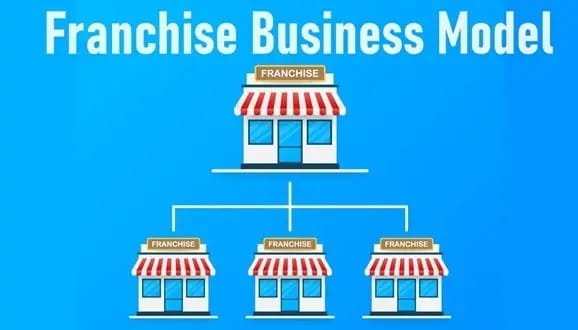
Franchise Business Model: Advantages vs Disadvantages
| Advantages | Disadvantages |
| Established brand recognition | Initial franchise fees |
| Proven business system | Ongoing royalty payments |
| Training and operational support | Limited operational flexibility |
| Faster market expansion | Contractual restrictions |
| Shared marketing resources | Dependence on franchisor decisions |
| Easier customer acquisition | Brand reputation risks |
| Standardized business processes | Territory limitations |
| Access to supplier networks | Compliance requirements |
| Scalable business growth | Renewal and agreement obligations |
| Reduced startup uncertainty | Profit-sharing arrangements |
What is a Franchise Business Model?
A franchise business model is a partnership arrangement in which a franchisor licenses its business concept, brand identity, and operating system to independent franchisees.
The franchisee gains the right to:
- Use the brand name
- Sell approved products or services
- Follow established operating procedures
- Access training and support
- Participate in marketing programs
The franchisor retains ownership of the brand and establishes standards that franchisees must follow.
Key Characteristics of a Franchise Business Model
Brand Licensing
Franchisees operate under an established brand name and trademark.
Standardized Operations
Business procedures are generally consistent across franchise locations.
Franchise Agreement
The relationship is governed by a legal contract that outlines rights and responsibilities.
Ongoing Support
Franchisors often provide operational, marketing, and training assistance.
Fee-Based Structure
Franchisees typically pay initial and recurring fees to the franchisor.
How the Franchise Business Model Works
The franchise model follows a structured process.
1. Franchise Development
A company develops a business concept, operational system, and brand identity.
2. Franchise Offering
The franchisor offers franchise opportunities to qualified individuals or organizations.
3. Franchise Agreement
Both parties sign a franchise contract that defines:
- Operational standards
- Territory rights
- Fee structures
- Brand usage requirements
4. Training and Setup
The franchisee receives training and guidance regarding business operations.
5. Business Operations
The franchisee manages day-to-day activities while following franchisor guidelines.
6. Ongoing Support
The franchisor may continue providing:
- Marketing support
- Operational guidance
- Product updates
- Training programs
Types of Franchise Business Models
Product Distribution Franchise
Franchisees distribute products under an established brand.
Examples include:
- Automotive dealerships
- Beverage distribution businesses
Business Format Franchise
Franchisees adopt the complete business system of the franchisor.
Examples include:
- Restaurants
- Fitness centers
- Retail stores
Manufacturing Franchise
The franchisee manufactures products according to franchisor specifications.
Service Franchise
Businesses provide standardized services under a franchise brand.
Examples include:
- Education centers
- Cleaning services
- Repair businesses
Advantages of the Franchise Business Model
1. Established Brand Recognition
Franchisees operate under a brand that may already have market visibility and customer awareness.
Brand recognition can support:
- Customer trust
- Marketing effectiveness
- Market entry
2. Proven Business System
Franchise businesses often provide established operating procedures and business processes.
These systems may include:
- Sales procedures
- Inventory management
- Customer service guidelines
- Marketing frameworks
3. Training and Operational Support
Many franchisors offer training programs covering:
- Business operations
- Employee management
- Product knowledge
- Customer service standards
4. Faster Market Expansion
Franchising enables businesses to expand geographically through independent franchise owners.
5. Shared Marketing Resources
Franchise systems often operate collective marketing programs funded through franchise contributions.
Marketing support may include:
- National campaigns
- Digital advertising
- Promotional materials
6. Standardized Business Processes
Consistent procedures may help maintain uniform customer experiences across locations.
7. Supplier Network Access
Franchisees may gain access to approved suppliers and established procurement systems.
8. Scalable Growth Opportunities
The franchise model supports expansion into multiple locations and regions.
9. Reduced Startup Development Requirements
Many operational systems, branding materials, and business procedures are already developed before the franchise begins operations.
10. Structured Business Framework
Franchise agreements often provide clearly defined operational guidelines and performance standards.
Disadvantages of the Franchise Business Model
1. Initial Franchise Fees
Many franchise systems require upfront payments before operations begin.
These fees may cover:
- Brand licensing
- Training
- Setup assistance
- Franchise rights
2. Ongoing Royalty Payments
Franchisees commonly pay recurring royalties based on:
- Revenue percentages
- Fixed fees
- Contractual arrangements
3. Limited Operational Flexibility
Franchisees often must follow established standards and procedures.
Restrictions may apply to:
- Products
- Services
- Marketing activities
- Store design
4. Contractual Restrictions
Franchise agreements may contain detailed requirements regarding business operations.
5. Dependence on Franchisor Decisions
Changes implemented by the franchisor may affect all franchise locations.
Examples include:
- Product updates
- Pricing policies
- Marketing strategies
6. Brand Reputation Risks
The actions of one franchise location can affect the overall brand image.
Reputation-related issues may influence multiple franchisees within the network.
7. Territory Limitations
Franchise agreements often define geographic operating boundaries.
These restrictions may influence expansion opportunities.
8. Compliance Requirements
Franchisees generally must comply with:
- Brand standards
- Operational procedures
- Reporting obligations
- Quality guidelines
9. Renewal and Contract Obligations
Franchise agreements often have defined terms and renewal conditions.
10. Profit-Sharing Structure
Ongoing royalty payments and marketing contributions may reduce the portion of revenue retained by franchisees.
Revenue Sources in a Franchise System
Franchisors may generate revenue through several channels.
Franchise Fees
Initial payments made by franchisees for franchise rights.
Royalty Payments
Recurring fees based on revenue or contractual arrangements.
Marketing Contributions
Franchisees may contribute to advertising and promotional funds.
Product Sales
Some franchisors supply products directly to franchise locations.
Licensing Revenue
Income generated from brand and intellectual property usage.
Franchise vs Independent Business
| Feature | Franchise Business | Independent Business |
| Brand Recognition | Established brand | Self-developed brand |
| Business System | Standardized model | Self-created processes |
| Training Support | Provided by franchisor | Self-managed |
| Operational Flexibility | Limited | Greater flexibility |
| Marketing Support | Shared resources | Independently managed |
| Startup Development | Structured framework | Built from scratch |
| Fees and Royalties | Common | Generally absent |
| Supplier Access | Approved networks | Independently selected |
| Expansion Rights | Contract-based | Owner-controlled |
| Brand Ownership | Franchisor-owned | Business owner-owned |
Industries Commonly Using Franchise Models
Food and Beverage
- Restaurants
- Cafes
- Fast-food businesses
Retail
- Convenience stores
- Specialty retail outlets
- Consumer goods stores
Fitness and Wellness
- Gyms
- Fitness centers
- Wellness studios
Education
- Learning centers
- Training institutes
- Tutoring services
Professional Services
- Cleaning services
- Repair services
- Business support services
Conclusion
The franchise business model enables businesses to expand through independent operators who use established brands, systems, and operational processes. Commonly discussed advantages include brand recognition, training support, supplier access, standardized operations, and scalable expansion opportunities. Frequently cited disadvantages include franchise fees, royalty payments, operational restrictions, compliance obligations, and dependence on franchisor decisions. The model is widely used across industries that seek structured expansion through branded business networks.
FAQs
Q: What is a franchise business model?
A: A franchise business model is an arrangement in which a franchisor grants a franchisee the right to operate a business using its brand, systems, and operational processes.
Q: Who are the franchisor and franchisee?
A: The franchisor owns the brand and business system, while the franchisee operates a business location under the franchisor’s guidelines.
Q: What are franchise fees?
A: Franchise fees are payments made by franchisees to obtain the rights to operate under a franchise brand.
Q: What are royalties in a franchise system?
A: Royalties are recurring payments that franchisees make to the franchisor, often based on revenue or contractual terms.
Q: What are the major advantages of the franchise model?
A: Commonly discussed advantages include brand recognition, operational support, training programs, standardized systems, and shared marketing resources.
Q: What are the major disadvantages of the franchise model?
A: Frequently cited disadvantages include franchise fees, royalty obligations, limited flexibility, contractual restrictions, and dependence on franchisor decisions.
Q: Which industries commonly use franchise systems?
A: Food services, retail, education, fitness, hospitality, automotive services, and professional services commonly use franchise models.
Q: Can franchisees create their own products?
A: Product and service offerings are often governed by franchise agreements and brand standards established by the franchisor.
Q: How do franchisors generate revenue?
A: Revenue may come from franchise fees, royalty payments, marketing contributions, product sales, and licensing arrangements.
Q: What is a franchise agreement?
A: A franchise agreement is a legal contract that defines the rights, responsibilities, fees, operational standards, and business terms between the franchisor and franchisee.











Leave a Reply