
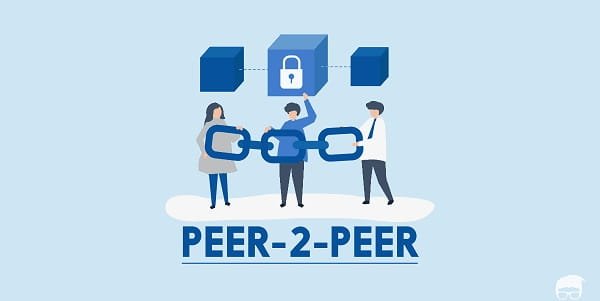
The Peer-to-Peer (P2P) business model is a decentralized framework that enables individuals to interact, exchange goods, provide services, share assets, or conduct transactions directly with one another. In this model, a digital platform typically acts as an intermediary that facilitates connections between participants while the actual transaction occurs between peers.
The rapid growth of internet connectivity, mobile applications, digital payment systems, and online marketplaces has accelerated the adoption of P2P business models across multiple industries. Consumers can now lend money, rent property, share transportation, offer freelance services, sell products, or exchange resources directly with other individuals through specialized platforms.
The P2P model is widely used in sectors such as transportation, accommodation, finance, e-commerce, content sharing, equipment rental, and professional services.
P2P Business Model: Advantages vs Disadvantages
| Advantages | Disadvantages |
| Direct peer interactions | Trust and security concerns |
| Lower operating costs | Quality control challenges |
| Efficient asset utilization | Regulatory compliance issues |
| Flexible participation | Platform dependency |
| Wider market accessibility | Fraud and scam risks |
| Scalable platform growth | Dispute resolution complexities |
| Multiple income opportunities | Inconsistent service standards |
| Reduced intermediary involvement | Verification challenges |
| Diverse service and product offerings | Revenue unpredictability |
| Technology-driven convenience | Data privacy concerns |
What is a P2P Business Model?
A Peer-to-Peer business model allows individuals to engage in transactions directly with one another through a platform that facilitates communication, payments, listings, and transaction management.
In traditional business structures, transactions often involve multiple intermediaries. In contrast, the P2P model reduces or eliminates many intermediaries by enabling direct interactions between participants.
Examples of P2P activities include:
- Peer-to-peer lending
- Home sharing
- Ride sharing
- Product resale
- Equipment rentals
- Freelance services
- Skill sharing
- Digital content exchanges
The platform typically earns revenue through commissions, service fees, subscriptions, or advertising.
Key Characteristics of a P2P Business Model
Direct User-to-User Transactions
Individuals interact and transact directly with other individuals.
Platform Facilitation
The platform provides tools for communication, payment processing, and transaction management.
Shared Resource Utilization
Participants often use existing assets or resources to generate value.
Digital Infrastructure
Most P2P models rely heavily on websites, mobile applications, and digital payment systems.
Community-Based Participation
Users contribute to platform activity through listings, reviews, ratings, and transactions.
How the P2P Business Model Works
The P2P model follows a structured process that connects participants through a digital platform.
1. User Registration
Participants create accounts and verify their identities when required.
2. Listing Products or Services
Users offer products, services, assets, or resources through platform listings.
Examples include:
- Property rentals
- Vehicle sharing
- Product sales
- Freelance services
3. Customer Search and Selection
Other users browse listings and choose suitable options.
4. Transaction Processing
The platform facilitates payments, bookings, reservations, or agreements.
5. Service Delivery or Product Exchange
The transaction is completed between participating users.
6. Feedback and Reviews
Participants may provide ratings and reviews after the transaction.
Types of P2P Business Models
P2P Lending
Individuals lend money directly to borrowers through specialized platforms.
P2P Marketplace
Users buy and sell products directly with one another.
P2P Accommodation Sharing
Individuals rent properties or rooms to other users.
P2P Transportation
Users share transportation services or vehicles.
P2P Service Platforms
Individuals offer skills and services directly to other users.
P2P Asset Sharing
Participants rent or share equipment, tools, and other assets.
Advantages of the P2P Business Model
1. Direct Peer Interactions
The model allows users to connect and transact without relying heavily on traditional intermediaries.
2. Lower Operating Costs
Many P2P platforms operate with lower infrastructure requirements compared to traditional businesses.
Reduced costs may involve:
- Retail space
- Inventory ownership
- Distribution networks
3. Efficient Asset Utilization
Participants can generate value from underused resources.
Examples include:
- Vehicles
- Homes
- Equipment
- Professional skills
4. Flexible Participation
Users can participate according to their own schedules and availability.
This flexibility applies to:
- Service providers
- Asset owners
- Buyers
- Renters
5. Wider Market Accessibility
Digital platforms connect users across different geographic locations.
This expands access to:
- Products
- Services
- Customers
- Opportunities
6. Scalable Platform Growth
The addition of new users can increase platform activity without requiring equivalent growth in owned inventory or assets.
7. Multiple Income Opportunities
Participants may earn income from:
- Rentals
- Lending
- Product sales
- Service provision
- Resource sharing
8. Reduced Intermediary Involvement
Direct transactions often simplify the exchange process.
9. Diverse Product and Service Availability
The participation of numerous independent users creates a broad selection of offerings.
10. Technology-Driven Convenience
Modern platforms support:
- Mobile access
- Online payments
- Real-time communication
- Automated transaction management
Disadvantages of the P2P Business Model
1. Trust and Security Concerns
Participants often interact with individuals they have not previously met.
Potential concerns include:
- Identity verification
- Transaction security
- Misrepresentation
2. Quality Control Challenges
Service quality and product standards may vary among participants.
Consistency can be difficult to maintain across large user networks.
3. Regulatory Compliance Issues
P2P platforms may operate under regulations related to:
- Financial transactions
- Transportation services
- Accommodation rentals
- Consumer protection
4. Platform Dependency
Users frequently depend on the platform for:
- Visibility
- Transactions
- Customer acquisition
- Payment processing
5. Fraud and Scam Risks
Potential risks include:
- Fake listings
- Payment fraud
- Identity theft
- Misleading information
6. Dispute Resolution Complexities
Conflicts may arise regarding:
- Product quality
- Service delivery
- Payments
- Cancellations
7. Inconsistent Service Standards
Different users may provide varying levels of service and support.
8. Verification Challenges
Platforms may need to verify:
- User identities
- Listings
- Qualifications
- Asset ownership
9. Revenue Unpredictability
Participant earnings may fluctuate due to:
- Demand variations
- Competition
- Seasonal trends
- Platform activity
10. Data Privacy Concerns
Digital transactions often involve the collection and storage of user information.
Common considerations include:
- Personal data protection
- Payment information security
- Privacy compliance
Revenue Sources in a P2P Platform
The platform operator generally earns revenue through several channels.
Transaction Fees
A percentage of completed transactions.
Service Charges
Fees applied to buyers, sellers, lenders, or renters.
Subscription Plans
Premium memberships offering additional features.
Advertising Revenue
Promotional placements and sponsored listings.
Listing Fees
Charges for posting products, services, or assets.
P2P vs Traditional Business Model
| Feature | P2P Business Model | Traditional Business Model |
| Transaction Type | User-to-user | Business-to-customer |
| Asset Ownership | Often user-owned | Business-owned |
| Platform Role | Facilitator | Seller or provider |
| Inventory Requirements | Limited | Often substantial |
| Customer Interaction | Peer-based | Business-managed |
| Revenue Source | Fees and commissions | Product and service sales |
| Scalability | User-driven | Asset-driven |
| Service Consistency | Variable | More standardized |
| Market Participation | Open to individuals | Controlled by businesses |
| Pricing Structure | Often flexible | Usually business-defined |
Industries Commonly Using P2P Models
Financial Services
- Peer-to-peer lending
- Crowdfunding
- Digital finance platforms
Transportation
- Ride-sharing services
- Vehicle-sharing platforms
Accommodation
- Home rentals
- Vacation property sharing
E-Commerce
- Product resale platforms
- Consumer marketplaces
Professional Services
- Freelance services
- Consulting platforms
- Skill-sharing networks
Conclusion
The P2P business model enables individuals to exchange products, services, resources, and assets directly through digital platforms. Commonly discussed advantages include efficient asset utilization, flexible participation, broader market access, and reduced intermediary involvement. Frequently cited disadvantages include trust concerns, quality control challenges, fraud risks, platform dependency, and regulatory requirements. The model continues to support user-to-user transactions across numerous industries through technology-driven platforms and digital ecosystems.
FAQs
Q: What does P2P stand for?
A: P2P stands for Peer-to-Peer, a business model that enables direct transactions between individuals through a facilitating platform.
Q: How is P2P different from C2C?
A: Both models involve transactions between individuals. However, P2P often emphasizes direct resource sharing, lending, rentals, and service exchanges through a platform infrastructure.
Q: What are common examples of P2P businesses?
A: Examples include peer-to-peer lending platforms, ride-sharing services, home-sharing platforms, freelance marketplaces, and product resale networks.
Q: How do P2P platforms generate revenue?
A: Revenue may come from transaction fees, service charges, subscriptions, listing fees, and advertising.
Q: What are the major advantages of the P2P model?
A: Commonly discussed advantages include direct peer interactions, lower operating costs, flexible participation, efficient asset utilization, and wider market access.
Q: What are the major disadvantages of the P2P model?
A: Frequently cited disadvantages include trust concerns, fraud risks, quality control issues, platform dependency, and regulatory challenges.
Q: Why are ratings and reviews important in P2P platforms?
A: Ratings and reviews provide information about participant reliability, service quality, and transaction history.
Q: Can individuals earn income through P2P platforms?
A: Yes. Participants may generate income through rentals, lending, product sales, freelance work, transportation services, and asset sharing.
Q: What role does technology play in the P2P model?
A: Technology supports user registration, listing management, payment processing, communication, reviews, and transaction monitoring.
Q: Which industries commonly use P2P business models?
A: Finance, transportation, accommodation, e-commerce, freelancing, consulting, and asset-sharing industries frequently use P2P models.









Leave a Reply