
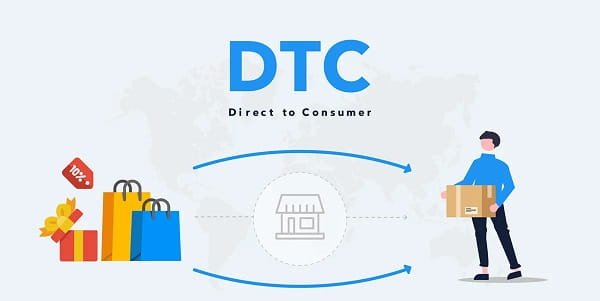
The Direct-to-Consumer (D2C) business model is a commercial approach in which manufacturers, brands, or product creators sell directly to end consumers without relying on traditional intermediaries such as wholesalers, distributors, or retailers. Through this model, businesses maintain direct control over product sales, customer interactions, marketing activities, and distribution channels.
The growth of e-commerce platforms, social media marketing, digital payment systems, and online marketplaces has contributed significantly to the adoption of the D2C model. Many brands now operate their own websites, mobile applications, and online stores to establish direct relationships with customers and manage the entire purchasing journey.
D2C business models are commonly found in industries such as fashion, beauty, consumer electronics, food and beverages, health products, home goods, and lifestyle brands.
D2C Business Model: Advantages vs Disadvantages
| Advantages | Disadvantages |
| Direct customer relationships | High customer acquisition costs |
| Greater control over branding | Responsibility for logistics and fulfillment |
| Access to customer data | Intense market competition |
| Higher profit margins | Marketing investment requirements |
| Faster customer feedback | Inventory management challenges |
| Flexible pricing strategies | Limited offline presence in some cases |
| Personalized customer experiences | Customer service responsibilities |
| Faster product launches | Dependence on digital channels |
| Improved brand visibility | Return and refund management |
| Independent sales operations | Scalability challenges during rapid growth |
What is a D2C Business Model?
A Direct-to-Consumer business model allows companies to sell products directly to customers without involving intermediaries in the sales process.
In a traditional retail model, products typically move through several stages:
- Manufacturer
- Distributor
- Wholesaler
- Retailer
- Consumer
In a D2C model, the process is simplified:
- Brand or manufacturer
- Consumer
By removing intermediaries, businesses interact directly with customers and manage their own sales channels.
Key Characteristics of a D2C Business Model
Direct Sales
Products are sold directly through company-owned channels.
Customer Ownership
Businesses collect and manage customer information without relying on third-party retailers.
Brand Control
Companies control branding, pricing, marketing, and customer experiences.
Digital-First Operations
Many D2C businesses operate through websites, mobile apps, and social media platforms.
Data-Driven Decision Making
Customer interactions generate data that can be used for operational and marketing purposes.
How the D2C Business Model Works
The D2C model follows a streamlined process from production to customer delivery.
1. Product Development
The business designs, manufactures, or sources products.
2. Direct Marketing
Products are promoted directly to consumers through:
- Social media
- Email marketing
- Search engines
- Content marketing
- Influencer collaborations
3. Online or Direct Sales
Customers purchase products through company-controlled channels.
Examples include:
- Brand websites
- Mobile applications
- Direct sales platforms
4. Order Processing
Orders are processed by the company or a fulfillment partner.
5. Product Delivery
Products are shipped directly to consumers.
6. Customer Support
The business manages inquiries, returns, exchanges, and post-purchase communication.
Types of D2C Business Models
E-Commerce D2C Model
Brands sell products through their own websites and online stores.
Subscription-Based D2C Model
Consumers receive products regularly through subscription plans.
Digital Product D2C Model
Businesses sell software, digital content, courses, or downloadable products directly to users.
Hybrid D2C Model
Brands combine direct sales with selected retail partnerships.
Social Commerce D2C Model
Products are promoted and sold through social media channels.
Advantages of the D2C Business Model
1. Direct Customer Relationships
The D2C model allows businesses to communicate directly with consumers.
Interaction channels may include:
- Social media
- Mobile applications
- Customer support systems
2. Greater Brand Control
Companies manage:
- Brand messaging
- Product presentation
- Pricing strategies
- Marketing campaigns
This control helps maintain consistency across customer touchpoints.
3. Access to Customer Data
Direct interactions generate valuable customer information.
Examples include:
- Purchase history
- Product preferences
- Website behavior
- Customer feedback
4. Higher Profit Margins
By reducing reliance on intermediaries, businesses retain a larger portion of product revenue.
5. Faster Customer Feedback
Customers can provide feedback through:
- Reviews
- Surveys
- Social media comments
- Customer service interactions
6. Flexible Pricing Strategies
Businesses can adjust pricing without coordinating with multiple retail partners.
Common pricing approaches include:
- Promotional discounts
- Membership pricing
- Bundled offers
- Seasonal campaigns
7. Personalized Customer Experiences
Customer data can support:
- Product recommendations
- Customized offers
- Loyalty programs
- Personalized communication
8. Faster Product Launches
New products can be introduced directly through company-owned channels.
This process may reduce dependence on retailer approval cycles.
9. Improved Brand Visibility
Digital marketing channels provide opportunities to increase brand awareness and customer engagement.
10. Independent Sales Operations
Businesses control sales processes without relying heavily on external retail networks.
Disadvantages of the D2C Business Model
1. High Customer Acquisition Costs
D2C brands often invest heavily in customer acquisition activities.
Common expenses include:
- Digital advertising
- Influencer marketing
- Search engine marketing
- Content creation
2. Logistics and Fulfillment Responsibilities
Businesses are responsible for:
- Warehousing
- Shipping
- Inventory management
- Delivery coordination
3. Intense Competition
Many D2C brands compete within similar product categories.
Competition may involve:
- Pricing
- Marketing visibility
- Product differentiation
4. Marketing Dependency
Sales growth often depends on ongoing marketing activities.
Customer acquisition may require continuous investment in digital channels.
5. Inventory Management Challenges
Businesses must maintain sufficient inventory levels while avoiding excess stock.
Inventory-related concerns include:
- Forecasting demand
- Storage requirements
- Product availability
6. Limited Physical Presence
Some D2C brands primarily operate online, which may reduce access to customers who prefer in-store shopping experiences.
7. Customer Service Obligations
Direct customer relationships require businesses to manage:
- Product inquiries
- Complaints
- Returns
- Exchange requests
8. Dependence on Digital Channels
Many D2C companies rely heavily on:
- Search engines
- Social media platforms
- Digital advertising networks
Changes in platform policies or algorithms may affect visibility.
9. Return and Refund Management
Consumer purchases often generate return requests.
Managing returns may involve:
- Reverse logistics
- Refund processing
- Product inspections
10. Scalability Challenges
Rapid growth may create operational challenges related to:
- Warehousing capacity
- Fulfillment infrastructure
- Customer support resources
- Inventory planning
Revenue Sources in the D2C Model
D2C businesses may generate revenue through multiple channels.
Product Sales
Revenue from direct product purchases.
Subscription Services
Recurring payments for products or services delivered regularly.
Membership Programs
Customers pay for exclusive benefits or premium services.
Digital Products
Revenue from software, content, courses, and digital downloads.
Cross-Selling and Upselling
Additional product purchases during the customer journey.
D2C vs Traditional Retail Model
| Feature | D2C Business Model | Traditional Retail Model |
| Sales Channel | Direct to consumers | Through intermediaries |
| Customer Relationship | Direct | Indirect |
| Brand Control | High | Shared with retailers |
| Customer Data Access | Direct access | Limited access |
| Pricing Control | Greater control | Influenced by retail partners |
| Profit Distribution | Fewer intermediaries | Multiple intermediaries |
| Marketing Responsibility | Brand-managed | Shared responsibilities |
| Product Launches | Direct deployment | Retail coordination required |
| Inventory Management | Brand-controlled | Shared across channels |
| Customer Support | Directly managed | Often retailer-assisted |
Industries Commonly Using D2C Models
Fashion and Apparel
- Clothing brands
- Footwear companies
- Accessories businesses
Beauty and Personal Care
- Cosmetics
- Skincare products
- Wellness brands
Consumer Electronics
- Gadgets
- Smart devices
- Accessories
Food and Beverage
- Specialty foods
- Beverage brands
- Subscription meal services
Home and Lifestyle
- Furniture
- Home décor
- Household products
Conclusion
The D2C business model enables brands and manufacturers to sell products directly to consumers through company-controlled channels. Commonly discussed advantages include direct customer relationships, access to customer data, greater brand control, and pricing flexibility. Frequently cited disadvantages include customer acquisition costs, logistics management responsibilities, marketing dependency, inventory challenges, and customer service requirements. The model is widely used across industries that seek direct engagement with consumers through digital and physical sales channels.
FAQs
Q: What does D2C stand for?
A: D2C stands for Direct-to-Consumer, a business model in which brands sell products directly to customers without relying on intermediaries such as wholesalers or retailers.
Q: How is D2C different from traditional retail?
A: D2C businesses sell directly to consumers, whereas traditional retail models involve distributors, wholesalers, and retail stores between the manufacturer and customer.
Q: What are common examples of D2C businesses?
A: Examples include online fashion brands, beauty product companies, subscription services, consumer electronics brands, and lifestyle product manufacturers.
Q: What are the major advantages of the D2C model?
A: Commonly discussed advantages include direct customer relationships, access to customer data, brand control, pricing flexibility, and higher profit margins.
Q: What are the major disadvantages of the D2C model?
A: Frequently cited disadvantages include customer acquisition costs, logistics responsibilities, marketing dependency, inventory challenges, and return management.
Q: Why is customer data important in D2C businesses?
A: Customer data provides information about purchasing behavior, preferences, product performance, and engagement patterns.
Q: Can D2C businesses operate offline?
A: Yes. Some D2C brands operate physical stores, pop-up locations, or showrooms in addition to online channels.
Q: What marketing channels are commonly used in D2C businesses?
A: Social media, email marketing, content marketing, influencer partnerships, search engine marketing, and affiliate programs are commonly used.
Q: Which industries commonly use D2C models?
A: Fashion, beauty, consumer electronics, food and beverages, home goods, wellness products, and lifestyle brands frequently use D2C strategies.
Q: How do D2C businesses generate revenue?
A: Revenue may come from product sales, subscriptions, memberships, digital products, and additional product purchases through cross-selling and upselling.







Leave a Reply