
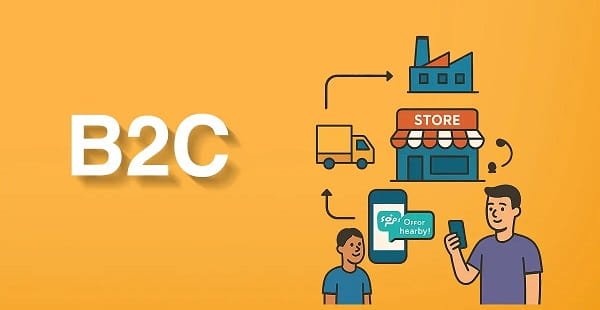
The Business-to-Consumer (B2C) business model refers to transactions in which businesses sell products or services directly to individual consumers. It is one of the most common business models across the world and is widely used in retail, e-commerce, hospitality, entertainment, healthcare, financial services, and many other industries.
In a B2C model, businesses focus on meeting the needs, preferences, and purchasing behaviors of end users. Customers typically purchase products or services for personal use rather than for business operations or resale purposes. The growth of digital platforms, online marketplaces, mobile applications, and social media has further expanded the reach of B2C businesses.
Whether operating through physical stores, websites, mobile apps, or a combination of channels, B2C businesses play a significant role in connecting products and services with consumers.
B2C Business Model: Advantages vs Disadvantages
| Advantages | Disadvantages |
| Large customer base | High customer acquisition costs |
| Faster sales cycles | Intense market competition |
| Direct customer interaction | Lower transaction values |
| Multiple sales channels | Changing consumer preferences |
| Strong brand-building opportunities | Higher marketing expenses |
| Immediate payments | Customer retention challenges |
| Broad market reach | Demand fluctuations |
| Flexible pricing strategies | Product return management |
| Quick product feedback | Reputation management risks |
| Scalability through digital channels | Dependence on consumer spending |
What is a B2C Business Model?
A B2C business model involves selling products or services directly to individual consumers. The consumer purchases the offering for personal use rather than for business purposes.
Examples of B2C businesses include:
- Retail stores
- E-commerce websites
- Restaurants
- Streaming services
- Online education platforms
- Fitness applications
- Travel booking websites
- Consumer electronics brands
The primary objective of a B2C business is to attract, engage, and serve individual customers through various sales and marketing channels.
Key Characteristics of a B2C Business Model
Direct Consumer Sales
Products and services are sold directly to end users.
Large Customer Base
B2C businesses often target a broad audience rather than a limited number of organizations.
Shorter Buying Process
Consumers generally make purchasing decisions more quickly than business buyers.
Customer-Centric Marketing
Marketing campaigns focus on consumer needs, interests, and preferences.
Multiple Distribution Channels
Businesses may sell through:
- Physical stores
- Online stores
- Mobile applications
- Social media platforms
- Online marketplaces
How the B2C Business Model Works
The B2C model follows a straightforward process that connects businesses with consumers.
1. Product or Service Development
Businesses create products or services intended for personal consumption.
Examples include:
- Clothing
- Food products
- Consumer electronics
- Entertainment subscriptions
- Travel services
2. Marketing and Promotion
Companies use various marketing channels to reach consumers.
Common channels include:
- Social media
- Search engines
- Television advertising
- Email marketing
- Influencer marketing
3. Customer Purchase
Consumers purchase products through physical or digital channels.
4. Payment Processing
Most B2C transactions involve immediate payment through:
- Credit cards
- Debit cards
- Digital wallets
- Online banking
- Cash payments
5. Product Delivery or Service Access
Businesses provide the purchased product or service through delivery, in-store pickup, or direct access.
Types of B2C Business Models
Direct Seller Model
Businesses sell products directly to consumers through stores or online platforms.
Online Intermediary Model
Platforms connect buyers and sellers while facilitating transactions.
Advertising-Based Model
Companies provide content or services and generate revenue through advertising.
Subscription Model
Consumers pay recurring fees for continued access to products or services.
Community-Based Model
Businesses generate revenue through communities, memberships, and targeted services.
Advantages of the B2C Business Model
1. Large Customer Base
B2C businesses can target millions of consumers across different geographic regions and demographics.
Potential customer groups may include:
- Students
- Families
- Professionals
- Senior citizens
- Hobbyists
2. Faster Sales Cycles
Consumer purchasing decisions often occur within minutes, hours, or days.
Compared to many business transactions, fewer approval stages are involved.
3. Direct Customer Relationships
Businesses interact directly with end users.
Communication channels may include:
- Customer support
- Social media
- Mobile applications
4. Multiple Sales Channels
B2C companies can operate through:
- Retail outlets
- E-commerce websites
- Mobile commerce platforms
- Online marketplaces
This variety expands customer access points.
5. Brand Awareness Opportunities
Consumer-facing businesses often invest in branding activities to increase recognition and visibility.
Brand-building methods include:
- Advertising campaigns
- Sponsorships
- Social media engagement
- Loyalty programs
6. Immediate Revenue Collection
Most B2C transactions involve upfront payment before product delivery or service usage.
Common payment methods include:
- Digital payments
- Card transactions
- Mobile wallets
- Cash purchases
7. Broad Market Reach
Digital platforms allow businesses to serve customers across cities, regions, and countries.
8. Flexible Pricing Strategies
Businesses may use various pricing methods, including:
- Promotional pricing
- Seasonal discounts
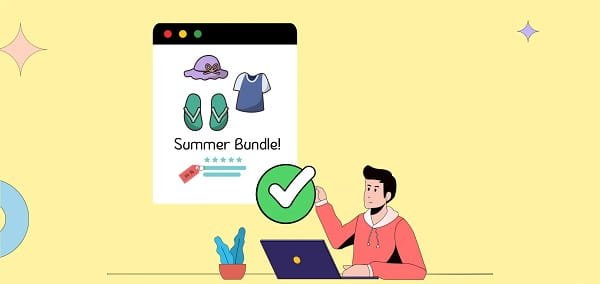
- Bundled offers
- Membership pricing
9. Quick Customer Feedback
Consumers frequently provide feedback through:
- Reviews
- Ratings
- Surveys
- Social media interactions
10. Digital Scalability
Online platforms can support customer growth without requiring proportional expansion of physical locations.
Disadvantages of the B2C Business Model
1. High Customer Acquisition Costs
Businesses often spend significant resources on attracting new customers.
Common expenses include:
- Advertising campaigns
- Digital marketing
- Promotional offers
- Customer incentives
2. Intense Competition
Many industries contain a large number of competing brands.
Competition may occur through:
- Pricing
- Product variety
- Customer service
- Marketing activities
3. Lower Transaction Values
Individual purchases are often smaller than business-to-business transactions.
Revenue growth may depend on higher sales volumes.
4. Changing Consumer Preferences
Consumer interests and purchasing behaviors can change rapidly.
Businesses frequently monitor:
- Market trends
- Product demand
- Customer expectations
5. Customer Retention Challenges
Consumers can easily switch between brands and platforms.
Retention efforts may include:
- Loyalty programs
- Personalized promotions
- Membership benefits
6. Demand Fluctuations
Consumer demand may vary due to:
- Seasonal trends
- Economic conditions
- Consumer confidence
- Market events
7. Product Return Management
Many B2C businesses handle product returns and exchanges.
Return processes may involve:
- Reverse logistics
- Refund processing
- Product inspections
8. Reputation Management Risks
Online reviews and social media discussions can influence public perception.
Customer experiences may affect:
- Brand image
- Consumer trust
- Market visibility
9. Marketing Dependency
Customer acquisition often depends on continuous marketing activities.
Marketing channels may require ongoing investment.
10. Sensitivity to Consumer Spending
Consumer purchasing behavior may be influenced by:
- Economic conditions
- Income levels
- Inflation
- Employment trends
B2C vs B2B Business Model
| Feature | B2C Business Model | B2B Business Model |
| Customer Type | Individual consumers | Businesses and organizations |
| Purchase Purpose | Personal use | Business operations |
| Transaction Value | Generally lower | Generally higher |
| Sales Cycle | Shorter | Longer |
| Decision Makers | Individual buyers | Multiple stakeholders |
| Payment Method | Immediate payment | Often invoiced |
| Marketing Focus | Consumer preferences | Business requirements |
| Customer Base | Large volume | Smaller volume |
| Purchase Frequency | Variable | Often contract-based |
| Relationship Structure | Consumer-focused | Business-focused |
Industries Commonly Using B2C Models
Retail
- Clothing stores
- Electronics retailers
- Grocery stores
E-Commerce
- Online marketplaces
- Direct-to-consumer brands
- Specialty online stores
Entertainment
- Streaming platforms
- Gaming services
- Media subscriptions
Hospitality
- Hotels
- Restaurants
- Travel services
Healthcare
- Consumer healthcare services
- Wellness applications
- Fitness platforms
Conclusion
The B2C business model involves direct transactions between businesses and individual consumers. Commonly discussed advantages include large customer bases, faster sales cycles, direct customer engagement, and broad market reach. Frequently cited disadvantages include high competition, customer acquisition costs, demand fluctuations, and lower transaction values. The model is widely used across industries that provide products and services directly to end users through physical and digital channels.
FAQs
Q: What does B2C stand for?
A: B2C stands for Business-to-Consumer, a business model in which companies sell products or services directly to individual consumers.
Q: How is B2C different from B2B?
A: B2C transactions involve individual consumers, while B2B transactions occur between businesses or organizations.
Q: What are common examples of B2C businesses?
A: Examples include retail stores, e-commerce platforms, restaurants, streaming services, travel websites, and consumer electronics companies.
Q: Why are B2C sales cycles usually shorter?
A: Consumers often make purchasing decisions independently without requiring multiple approval stages.
Q: What are the major advantages of the B2C model?
A: Frequently discussed advantages include broad customer reach, faster sales cycles, immediate payments, multiple sales channels, and direct customer interactions.
Q: What are the major disadvantages of the B2C model?
A: Commonly cited disadvantages include intense competition, customer acquisition costs, lower transaction values, and changing consumer preferences.
Q: Which industries commonly use B2C models?
A: Retail, hospitality, entertainment, healthcare, e-commerce, education, and financial services frequently use B2C models.
Q: What marketing channels are common in B2C businesses?
A: Social media, email marketing, search engine marketing, influencer partnerships, television advertising, and online marketplaces are commonly used.
Q: Can a business operate both B2C and B2B models?
A: Yes. Some companies serve both consumers and business customers through separate sales channels and product offerings.
Q: Why is customer feedback important in B2C businesses?
A: Customer feedback provides information about product performance, customer satisfaction, service quality, and consumer preferences.




Leave a Reply