
The freemium business model is a pricing and customer acquisition strategy in which a company offers a basic version of a product or service free of charge while charging users for advanced features, premium functionality, additional capacity, or enhanced services. The term “freemium” combines the words “free” and “premium,” reflecting the model’s two-tier structure.
The freemium model has become widely used in software, mobile applications, cloud services, gaming, digital content platforms, productivity tools, and online education services. By allowing users to access core functionality without payment, businesses can attract large user bases while generating revenue from customers who choose to upgrade to paid plans.
This model is particularly common in digital businesses because the cost of serving additional users can often be managed through scalable technology infrastructure.
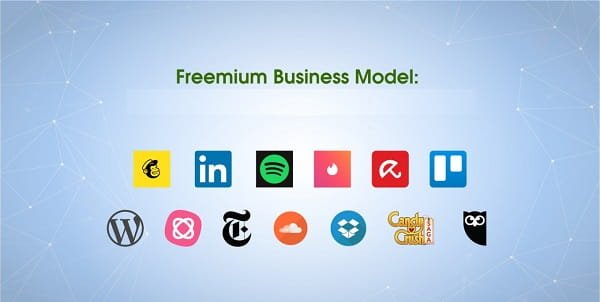
Freemium Business Model: Advantages vs Disadvantages
| Advantages | Disadvantages |
| Low barrier to user adoption | Low conversion rates in some cases |
| Rapid customer acquisition | Costs of supporting free users |
| Large user base growth | Revenue dependency on premium users |
| Product trial without payment | High infrastructure expenses |
| Increased brand awareness | User expectations for free access |
| Data collection opportunities | Feature balancing challenges |
| Scalable digital distribution | Customer upgrade resistance |
| Viral marketing potential | Competition from free alternatives |
| Multiple revenue opportunities | Difficult profitability management |
| Customer feedback generation | Premium feature perception risks |
What is a Freemium Business Model?
A freemium business model allows users to access a product or service at no cost while reserving advanced capabilities for paying customers.
The free version typically includes:
- Basic functionality
- Limited usage capacity
- Standard features
- Restricted storage or access
The premium version may offer:
- Additional features
- Higher usage limits
- Advanced tools
- Priority support
- Enhanced customization
The objective is to attract users through free access and generate revenue through premium subscriptions, upgrades, or paid services.
Key Characteristics of a Freemium Business Model
1. Free Entry Point
Users can access the product without making an initial payment.
2. Premium Upgrade Options
Additional functionality is available through paid plans.
3. Large User Base Strategy
Businesses often focus on acquiring significant numbers of users.
4. Digital Product Focus
Freemium models are commonly used in software and online services.
5. Conversion-Based Revenue
Revenue depends on converting a portion of free users into paying customers.
How the Freemium Business Model Works
The freemium model follows a structured customer journey.
1. Free User Acquisition
Users sign up and access the basic version of the product.
2. Product Usage
Customers interact with available features and services.
3. Feature Limitations
Certain functions remain restricted within the free plan.
Examples include:
- Storage limits
- Usage caps
- Feature restrictions
- Advertising displays
4. Upgrade Opportunities
Users can purchase premium plans to unlock additional capabilities.
5. Revenue Generation
The business earns income from premium subscriptions, upgrades, or related services.
Types of Freemium Business Models
1. Feature-Based Freemium
Advanced features are available only to premium subscribers.
2. Usage-Based Freemium
Free users receive limited usage quotas.
3. Storage-Based Freemium
Additional storage capacity requires payment.
4. Advertising-Supported Freemium
Free users view advertisements, while premium users access an ad-free experience.
5. Time-Limited Freemium
Users receive temporary access to premium features before returning to the free version.
Advantages of the Freemium Business Model
1. Low Barrier to Entry
Potential customers can begin using the product without financial commitment.
This often simplifies:
- User registration
- Product adoption
- Initial engagement
2. Rapid Customer Acquisition
Free access can attract a large number of users within a relatively short period.
This may support:
- Market penetration
- Brand exposure
- Product awareness
3. Large User Base Growth
Freemium products often focus on increasing user numbers through broad accessibility.
A larger user base may contribute to:
- Increased visibility
- Community growth
- Network effects
4. Product Trial Without Payment
Users can evaluate the product before deciding whether to upgrade.
This allows customers to experience:
- Core functionality
- User interface
- Product performance
5. Increased Brand Awareness
Free users can contribute to product visibility through:
- Referrals
- Social sharing
- Word-of-mouth promotion
6. Customer Data Collection
User interactions generate information related to:
- Product usage
- Customer preferences
- Feature popularity
- Engagement patterns
7. Scalable Distribution
Digital products can often be distributed to large numbers of users through online platforms.
8. Viral Marketing Potential
Satisfied users may recommend products to others, supporting organic growth.
9. Multiple Revenue Opportunities
Businesses may generate revenue from:
- Premium subscriptions
- In-app purchases
- Advertising
- Enterprise plans
- Add-on services
10. Continuous Customer Feedback
Large user communities can provide:
- Reviews
- Feature suggestions
- Usage insights
- Performance feedback
Disadvantages of the Freemium Business Model
1. Low Conversion Rates
Only a percentage of free users typically upgrade to paid plans.
Revenue generation often depends on successful user conversion.
2. Supporting Free Users Can Be Costly
Businesses may incur expenses related to:
- Hosting
- Storage
- Customer support
- Infrastructure maintenance
Even users who do not generate revenue may consume resources.
3. Dependence on Premium Subscribers
A relatively small group of paying customers may account for a large portion of revenue.
4. High Infrastructure Requirements
Growing user bases can increase demand for:
- Cloud services
- Servers
- Data storage
- Security systems
5. User Expectations for Free Access
Some users may expect ongoing access without upgrading to paid plans.
6. Feature Balancing Challenges
Businesses must determine which features belong in:
- Free plans
- Premium plans
- Enterprise packages
Incorrect balance can affect user adoption or conversion.
7. Upgrade Resistance
Users may continue using the free version indefinitely if it satisfies their needs.
8. Competition from Free Alternatives
Competing products may offer similar functionality at no cost.
9. Profitability Challenges
Managing costs while maintaining large free-user populations can be complex.
10. Premium Value Perception Risks
If premium features do not appear sufficiently valuable, users may be less likely to upgrade.
Revenue Sources in the Freemium Model
Businesses using freemium strategies often generate income through multiple channels.
1. Premium Subscriptions
Recurring payments for advanced features and services.
2. In-App Purchases
Additional functionality purchased within applications.
3. Advertising Revenue
Income generated from displaying advertisements to free users.
4. Enterprise Plans
Customized solutions designed for organizations.
5. Add-On Services
Additional products, integrations, or support packages.
Freemium vs Subscription Business Model
| Feature | Freemium Business Model | Subscription Business Model |
| Initial Access | Free | Paid |
| User Acquisition | Free entry point | Payment required |
| Revenue Source | Premium upgrades | Recurring subscriptions |
| Customer Base | Free and paid users | Primarily paying users |
| Product Access | Partial free access | Full access after payment |
| Marketing Focus | User growth and conversion | Subscriber acquisition |
| Conversion Requirement | Essential for revenue | Not applicable |
| Infrastructure Demand | Supports free users | Supports paying users |
| Customer Journey | Free to paid upgrade | Direct subscription |
| Pricing Structure | Tiered access levels | Subscription-based access |
Industries Commonly Using Freemium Models
Software and SaaS
- Productivity tools
- Collaboration platforms
- Business software
Mobile Applications
- Utility apps
- Communication apps
- Lifestyle apps
Gaming
- Mobile games
- Online multiplayer games
- Digital entertainment platforms
Cloud Storage
- File management services
- Backup solutions
- Collaboration storage platforms
Online Education
- Learning platforms
- Skill development services
- Digital training programs
Conclusion
The freemium business model combines free product access with premium upgrade opportunities. Commonly discussed advantages include rapid user acquisition, large customer bases, scalable distribution, and multiple revenue streams. Frequently cited disadvantages include low conversion rates, infrastructure costs, profitability challenges, and dependence on premium subscribers. The model is widely used across software, SaaS, gaming, cloud services, and digital platforms that seek to balance user growth with revenue generation.
FAQs
Q: What is a freemium business model?
A: A freemium business model provides a free version of a product or service while charging users for premium features, advanced functionality, or enhanced services.
Q: How does a freemium model generate revenue?
A: Revenue may come from premium subscriptions, in-app purchases, advertising, enterprise plans, and add-on services.
Q: What is the difference between freemium and free trial models?
A: Freemium products offer permanent access to a limited free version, while free trials provide temporary access to premium features.
Q: What are the major advantages of the freemium model?
A: Commonly discussed advantages include rapid customer acquisition, low entry barriers, brand awareness, scalable distribution, and user feedback collection.
Q: What are the major disadvantages of the freemium model?
A: Frequently cited disadvantages include low conversion rates, infrastructure costs, profitability challenges, and dependence on premium subscribers.
Q: Which industries commonly use freemium models?
A: Software, SaaS, gaming, cloud storage, mobile applications, and online education platforms commonly use freemium strategies.
Q: Why do businesses offer products for free?
A: Free access can increase user adoption, product awareness, and opportunities for future premium upgrades.
Q: What are premium features?
A: Premium features are advanced tools, capabilities, services, or benefits available only to paying customers.
Q: Can freemium models work for physical products?
A: The model is primarily used for digital products and services, although some businesses apply similar concepts through free basic offerings and paid upgrades.
Q: What role do free users play in a freemium business?
A: Free users contribute to product adoption, brand visibility, customer feedback, referral activity, and potential future conversions.









Leave a Reply