
Many investors face a difficult situation at some point in life. They need urgent money for expenses like medical emergencies, business needs, education, weddings, or temporary cash flow problems — but they also do not want to sell their investments.
Selling mutual funds may solve the immediate problem, but it can interrupt long-term financial goals. Investors may lose future market growth, break the compounding cycle, and sometimes even trigger tax liabilities.
This is where a loan against mutual funds becomes useful.
Instead of redeeming investments completely, investors can use their mutual fund holdings as collateral and borrow money against them. In simple words, the investments remain invested while also helping generate liquidity.
Over the past few years, loans against securities have become increasingly popular in India because they offer faster processing, lower paperwork, and flexible borrowing options.
For disciplined investors, this can become a smart alternative to breaking long-term investments prematurely.

What Is a Loan Against Mutual Funds?
A loan against mutual funds is a secured loan where investors pledge their mutual fund units to a bank or financial institution in exchange for a loan.
The lender keeps the mutual fund units as security until the loan is repaid.
The investor continues owning the investments, but temporary lien rights are marked on the pledged units.
Both:
- Equity mutual funds
- Debt mutual funds
may be eligible, depending on lender policies.
How Does It Work?
The process is relatively simple.
Step 1: Apply for the Loan
The investor approaches a lender offering loans against mutual funds.
Step 2: Pledge Mutual Fund Units
The mutual fund units are pledged in favor of the lender.
Step 3: Loan Approval
The lender evaluates:
- Type of mutual fund
- Fund value
- Risk level
- Market volatility
Step 4: Loan Disbursement
After approval, funds are transferred to the borrower.
Step 5: Repayment
Once the loan is repaid, the pledge is removed from the mutual fund units.
Why Investors Choose Loans Against Mutual Funds
Avoid Selling Investments
One of the biggest advantages is that investors do not need to redeem their holdings.
This allows:
- Continued market participation
- Long-term compounding
- Preservation of investment goals
Faster Processing
Compared to traditional loans, secured loans against mutual funds are often processed quickly.
Some lenders even offer:
- Digital applications
- Instant approvals
- Online pledge systems
Lower Interest Rates
Since the loan is backed by investments, interest rates are usually lower than:
- Personal loans
- Credit card borrowing
- Unsecured loans
No Immediate Capital Gains Tax
Selling mutual funds may trigger:
- Short-term capital gains tax
- Long-term capital gains tax
Borrowing against them helps avoid immediate taxation from redemption.
Flexible Usage
The borrowed amount can usually be used for:
- Education
- Business needs
- Medical emergencies
- Personal expenses
- Short-term liquidity management
depending on lender policies.
Loan Amount Depends on Mutual Fund Type
Lenders do not usually provide 100% of the fund value.
This is because mutual fund values fluctuate.
Debt Mutual Funds
Since they are relatively stable, lenders may offer higher loan percentages.
Equity Mutual Funds
Because equity markets are volatile, loan eligibility percentages are usually lower.
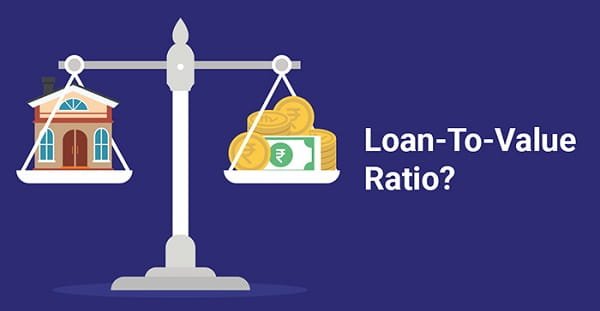
This percentage is called the Loan-to-Value (LTV) ratio.
Example of Loan-to-Value Ratio
Suppose:
- Mutual fund value = ₹10 lakh
- Allowed LTV = 60%
The investor may get a loan of around ₹6 lakh.
The remaining value acts as a safety buffer for the lender.
Risks of Loan Against Mutual Funds
While the concept sounds attractive, there are important risks too.
Market Decline Risk
If the mutual fund value falls sharply, the lender may issue a margin call.
This means the borrower may need to:
- Pledge more units
- Repay part of the loan
- Provide additional collateral
This risk is higher with equity mutual funds during volatile markets.
Interest Cost
Although lower than personal loans, interest still needs to be paid.
If investments generate lower returns than loan interest, borrowing may become inefficient.
Overleveraging
Some investors borrow excessively simply because credit is easily available.
This can create:
- Debt pressure
- Financial stress
- Forced liquidation risks
Restricted Transactions
Pledged units usually cannot be freely sold or redeemed until the loan is cleared.
Loan Against Mutual Funds vs Redeeming Investments
This is a common comparison.
| Loan Against Mutual Funds | Redeeming Mutual Funds |
| Investments remain invested | Investments are sold |
| No immediate capital gains tax | Tax may apply |
| Interest cost involved | No interest cost |
| Market exposure continues | Market participation stops |
| Repayment obligation exists | No repayment needed |
The better option depends on the investor’s financial situation.
Who Should Consider This Option?
Loans against mutual funds may suit:
- Long-term investors
- People needing temporary liquidity
- Investors avoiding premature redemption
- Business owners managing cash flow gaps
They work best when the financial need is temporary and repayment ability is stable.
Who Should Avoid It?
This option may not suit:
- Investors with unstable income
- People already heavily indebted
- Those uncomfortable with market volatility
- Investors likely to miss repayments
Borrowing against investments always requires financial discipline.
Digital Growth in Loan Against Securities
Technology has made these loans much easier today.
Many lenders now offer:
- Online pledge creation
- Digital approvals
- Instant disbursement
- Mobile-based loan management
This has increased accessibility for retail investors.
Taxation Considerations
Since the mutual funds are not sold:
- Capital gains tax is usually not triggered immediately
However:
- Interest paid on the loan may or may not offer tax benefits depending on loan purpose and tax laws.
Professional tax advice may be useful for large borrowing amounts.
Final Thoughts
A loan against mutual funds offers a practical way to access money without disturbing long-term investments.
For disciplined investors, it can help handle temporary financial needs while preserving the benefits of compounding and market participation.
However, it is still a loan — not free money.
Borrowers must understand:
- Interest obligations
- Market risks
- Margin call possibilities
- Repayment responsibilities
Used wisely, this facility can provide flexibility and financial breathing space.
Used carelessly, it can create unnecessary debt pressure.
The key lies in balancing liquidity needs with long-term financial stability.
FAQs
Q: What is a loan against mutual funds?
A: It is a secured loan where mutual fund units are pledged as collateral to borrow money.
Q: Can both equity and debt mutual funds be pledged?
A: Yes, though loan eligibility and LTV ratios may differ depending on fund type.
Q: Do I lose ownership of my mutual funds?
A: No, ownership remains with the investor, though the units remain pledged until repayment.
Q: Is capital gains tax applicable?
A: Usually no immediate capital gains tax applies because the investments are not sold.
Q: What happens if mutual fund value falls?
A: The lender may issue a margin call asking for additional collateral or partial repayment.
Q: Are interest rates lower than personal loans?
A: Yes, secured loans against mutual funds generally offer lower rates than unsecured personal loans.
Q: Can pledged mutual funds still earn returns?
A: Yes, the investments continue participating in market performance while pledged.







Leave a Reply