
You find a property worth ₹80 lakhs. You approach a bank for a home loan. The bank approves ₹64 lakhs — not ₹80 lakhs, not whatever you asked for, but a specific number derived from a specific calculation. You are expected to arrange the remaining ₹16 lakhs yourself.
That calculation has a name: the Loan-to-Value ratio. Once you understand it, a number of things about home loans, gold loans, and secured lending in general begin to make considerably more sense.
What LTV Actually Means
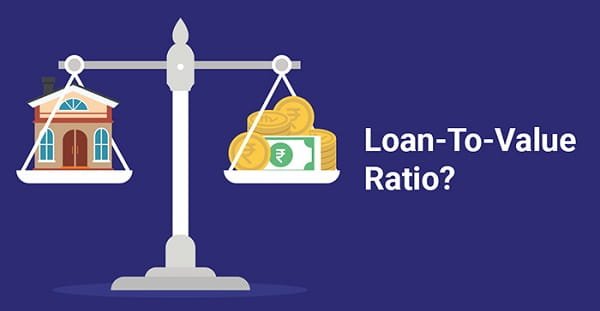
The Loan-to-Value ratio is the percentage of an asset’s value that a lender is willing to finance:
LTV = (Loan Amount / Asset Value) × 100
If a bank lends ₹64 lakhs against a property valued at ₹80 lakhs, the LTV is 80%. The remaining 20% — ₹16 lakhs — is your contribution, called the down payment or margin money.
LTV is not a preference the lender exercises arbitrarily. It is a risk management tool. The gap between the loan amount and the asset’s value is the lender’s buffer — the cushion that protects the bank if you default and the asset must be liquidated. A lower LTV means a larger cushion, lower lender risk, and often better loan terms for you.
LTV in Home Loans: The RBI Framework
The Reserve Bank of India prescribes maximum LTV limits for home loans based on loan amount. These are regulatory caps that all banks and housing finance companies must observe:
- Loan up to ₹30 lakhs: Maximum LTV of 90% — you pay 10% as down payment
- Loan between ₹30 lakhs and ₹75 lakhs: Maximum LTV of 80% — you pay 20%
- Loan above ₹75 lakhs: Maximum LTV of 75% — you pay 25%
As the loan size increases, you are required to bring more of your own money. The logic is straightforward — larger loans carry greater absolute exposure for the lender, and a higher borrower contribution reduces that exposure.
These are ceilings, not entitlements. A bank may offer a lower LTV based on your credit profile, property location, builder track record, or internal risk policy. Whether you access the maximum permissible LTV depends entirely on your creditworthiness.
How Property Valuation Affects Your Actual Loan
Here is where many first-time homebuyers get an unpleasant surprise.
LTV is calculated on the bank’s assessed value of the property — determined by its empanelled valuer — not on the sale price you agreed with the seller. These numbers are often different, and rarely in the buyer’s favour.
If you are buying a property for ₹80 lakhs but the bank’s valuer assesses it at ₹72 lakhs, your maximum loan at 80% LTV is ₹57.6 lakhs — not ₹64 lakhs. The gap between the sale price and the assessed value must come entirely from your pocket, on top of the mandatory margin money.
For under-construction properties, lenders also factor in construction stage, builder approvals, and RERA registration. Any deficiency in documentation can reduce the effective LTV offered or delay disbursement. Always ask for the valuation report before finalising your finances. Building your purchase plan around the sale price and assuming the bank will lend against it is a planning error that surfaces only after you are already committed.
LTV in Gold Loans: A Different Dynamic
Gold loans operate on the same LTV principle but with a different regulatory environment.
The RBI caps gold loan LTV at 75% for banks and regulated NBFCs. If you pledge gold jewellery valued at ₹1 lakh by the lender’s assayer, the maximum loan you can receive is ₹75,000.
The valuation is critical. Gold jewellery is assessed on its pure gold content — typically 22 karats — not its making charges, design value, or retail price. A necklace purchased for ₹1.2 lakhs may carry a pure gold value of ₹85,000 to ₹90,000 after discounting making charges. The 75% LTV applies to this assessed figure, not the purchase price.
Gold loan LTV becomes particularly relevant during falling gold prices. If prices drop significantly after you borrow, the value of your pledged gold falls and the LTV ratio rises. If it breaches the regulatory cap, the lender issues a margin call — requiring you to pledge additional gold or repay a portion of the loan. Ignoring a margin call can result in the lender auctioning your gold to recover dues.
How LTV Shapes Your Loan Terms
LTV does not just determine how much you can borrow — it shapes the cost of borrowing.
Borrowers with lower LTV ratios present statistically lower risk. Some lenders reward this with marginally better interest rates or relaxed processing requirements. More significantly, a higher LTV means a larger loan principal, which generates substantially more total interest over a 15 to 20-year tenure.
A borrower who increases their down payment from 20% to 30% on a ₹1 crore property — contributing ₹10 lakhs more upfront — saves well over ₹15 to ₹20 lakhs in interest on a 20-year home loan at current rates. The down payment is not just a regulatory requirement; it is a direct investment in a lower debt burden over the life of the loan.
FAQs
Q1. Can I negotiate the LTV with my lender?
A: Within RBI’s prescribed limits, LTV is largely determined by your credit profile and property’s assessed value. You cannot negotiate upward beyond the regulatory cap, but a strong credit score and income profile help you access the maximum permissible LTV rather than a more conservative limit the bank applies internally.
Q2. Is the down payment the same as the LTV gap?
A: Largely yes, but not entirely. Total funds required at purchase also include stamp duty, registration charges, and other transaction costs that are not covered by the home loan. These must come separately from your own resources, on top of the LTV gap.
Q3. Does LTV change during a gold loan if gold prices rise?
A: A rising gold price improves your LTV position — the loan becomes a smaller percentage of a higher asset value. Some gold loan providers allow you to draw additional funds against the same pledged gold if prices rise sufficiently to create headroom within the 75% cap.
Q4. What happens if I default on a gold loan where LTV was maintained?
A: The lender auctions the pledged gold and recovers the outstanding loan, interest, and charges. Any surplus after recovery is returned to you. The 75% LTV cap ensures the lender typically recovers fully even if gold prices have dipped modestly from the loan date.
Q5. Does LTV apply to loans against mutual funds or shares?
A: Yes. Loans against mutual funds typically allow 50 to 80% of the fund’s NAV depending on the fund type. Loans against listed shares are capped at 50% LTV by SEBI. The principle — lend less than the asset is worth to maintain a recovery buffer — is consistent across all collateral-backed lending.








Leave a Reply